We’re diving into the impact of visual design on learner engagement in online courses.
“Quality visual design piques interest, calls attention, and increases engagement and motivation while simultaneously improving communication, supporting cognitive processing of complex ideas, aiding retention, and fostering creativity.” (West et al, 2020)
What do we mean by visual design? Here we are referring to enhancing the aesthetic qualities of a course through the strategic use of images, colors, fonts, and layouts – among other elements.
But why does it matter? There are many reasons to focus on visual design, but we’d like to highlight the impact on learner motivation. The first element of Keller’s ACRS model of motivational learning (2020) is attention – our ability to capture and maintain a learner’s interest. The effective use of various visual design elements can increase learner motivation by evoking positive emotions, improving readability, and lowering cognitive load. In essence, when it is easier and more satisfying to absorb the content, learners are more likely to be motivated to engage.
Now, let’s take a look at some ways to effectively use visual design to increase learner motivation.
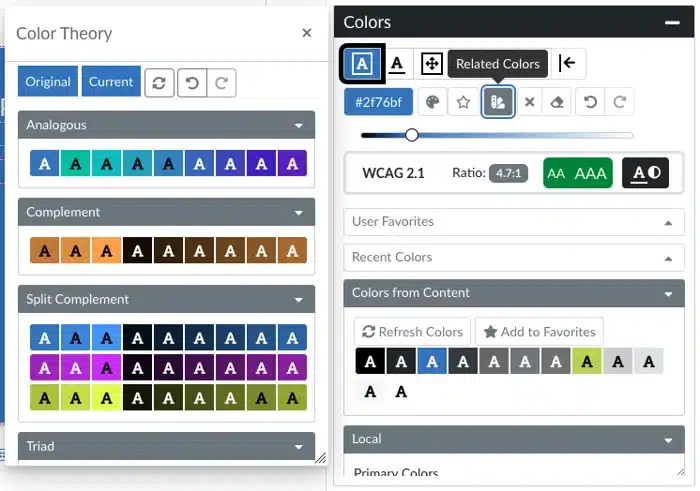
Add color for emotional response: Research suggests that the strategic use of color in course materials can positively influence learners’ emotional responses and attitudes toward learning. For instance, warm colors like red and orange are associated with energy and excitement, while cool colors like blue and green can evoke feelings of calmness and concentration. By selecting appropriate color schemes, designers can create a visually stimulating environment that fosters enthusiasm and focus.
Advanced color selection tools in DesignPLUS enable the designer to choose complementary color schemes, based on the color theory of design.
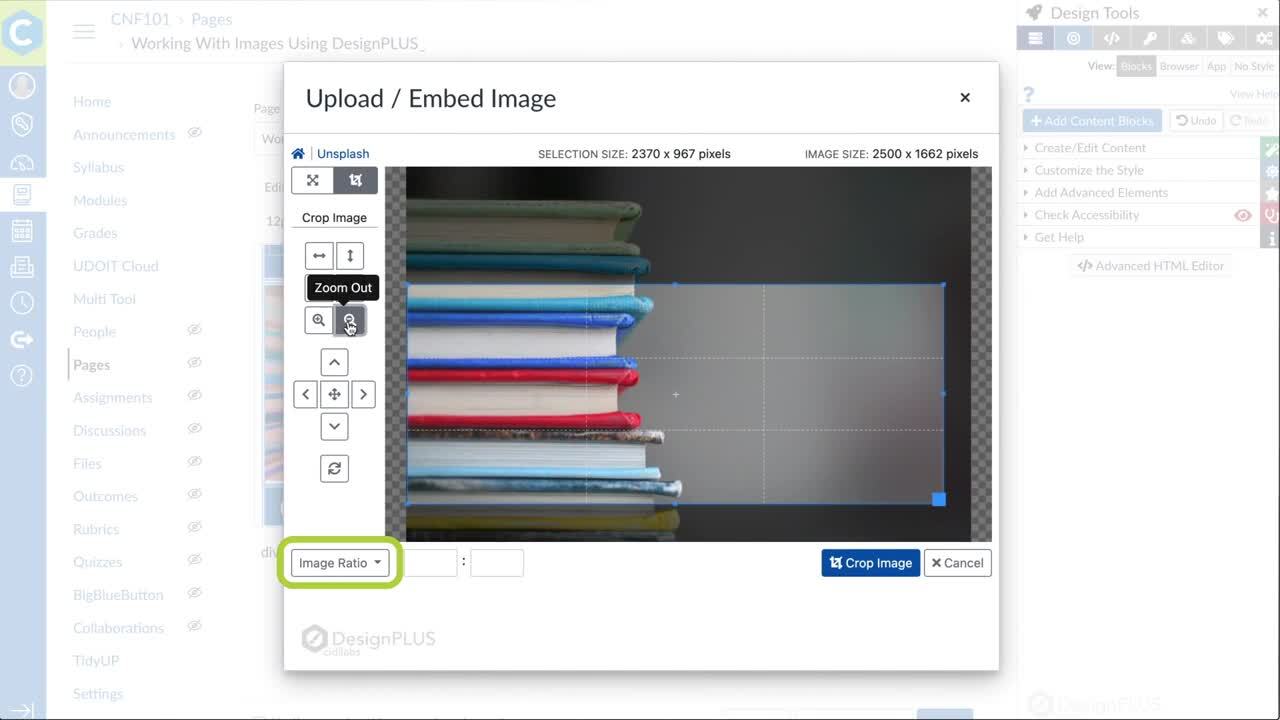
Use images to break up text and create personal connection: We’ve all heard the adage that a picture is worth a thousand words, but images do more than simply replace words. Images, like colors, can evoke emotions and help learners create a personal connection with the content which can increase motivation and interest in learning. Additionally, images can break up text-heavy content, making the content easier to digest, which is more appealing to learners. For some great tips on how to use images in online learning, see this article.
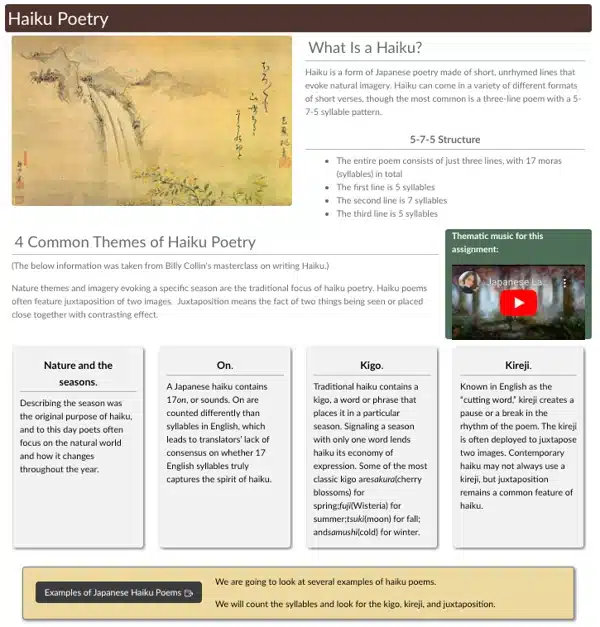
Consider page layout including whitespace: Effective placement of content on a page can reduce cognitive load, improve readability and comprehension, and strategically focus attention (Dillon, 2004). When designing the layout of a page, use placement to prioritize important content, break up long text by visually chunking it into side-by-side groups, and guide the learner’s eye through the page with the use of whitespace.
The Columns Tool in DesignPLUS can aid in creating interesting page layouts that help capture learners' attention.
Learn More: This understanding of the impact of visual design on learner engagement, motivation, and focus highlights the importance of having the right tools to help you embrace these concepts in your Canvas course designs. Join our free webinar tomorrow to see DesignPLUS from Cidi Labs in action, including tips for improving the visual design of your content –without having to know html or css!
You May Also Be Interested In...
Did you miss our last webinar on building a faculty development program?
Riding the Wave: Bellevue College’s Faculty Professional Development with Cidi Labs
Citations:
West, D., Allman, B. , Hunsaker, E., & Kimmons, R. (2020). Visual Aesthetics: The Art of Learning. In R. Kimmons & S. Caskurlu (Eds.), The Students’ Guide to Learning Design and Research. EdTech Books. https://edtechbooks.org/studentguide/visual_aesthetics.
Rune Pettersson & Maria D. Avgerinou (2016) Information design with teaching and learning in mind, Journal of Visual Literacy, 35:4, 253-267, DOI: 10.1080/1051144X.2016.1278341
Eger, L. (2018). How people acquire knowledge from a web page: An eye tracking study. Knowledge Management & E-Learning, 10(3), 350–366.